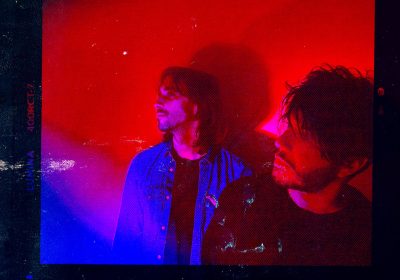
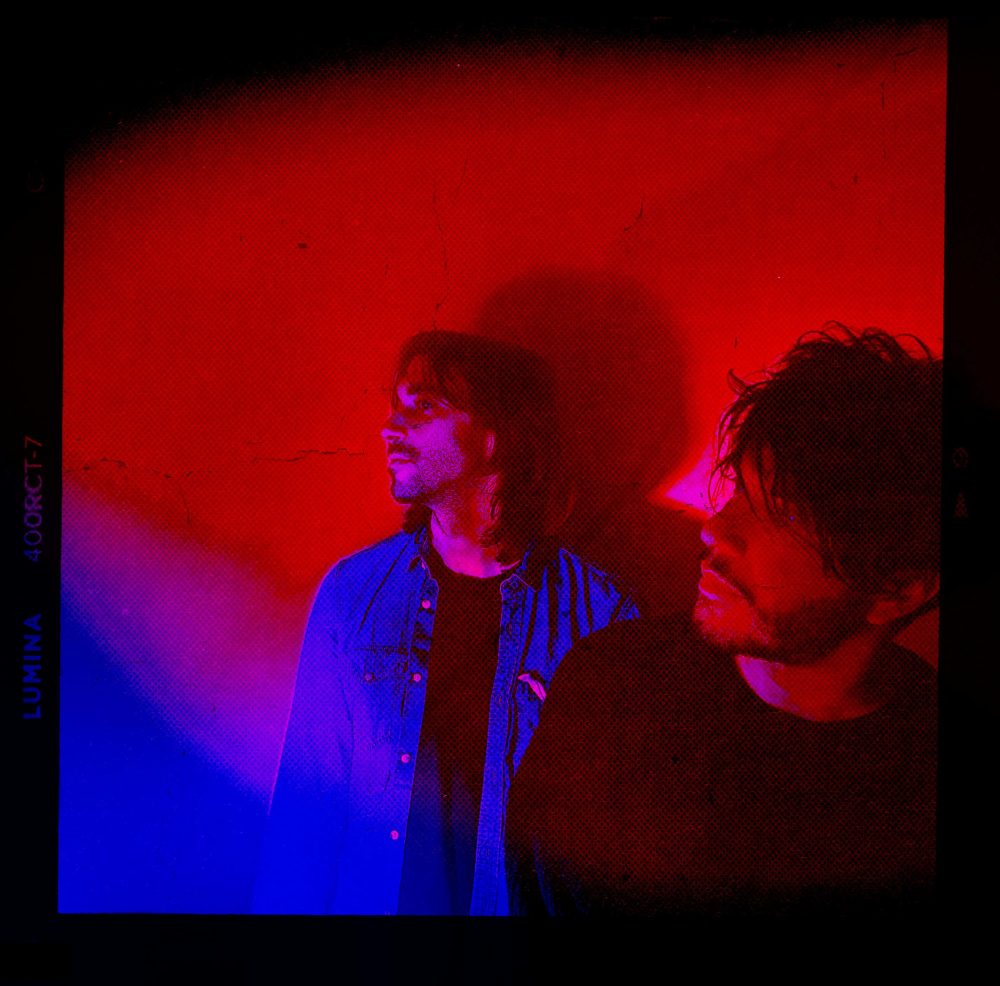

We had a chat with exciting electronic duo Pivots about their atmospheric and ambitious new single ‘Any Means’
Armed with a stylish and distinctive sound that borrows from across the spectrum of rock and pop in fun and dynamic fashion, UK-French electronic duo Pivots are fast becoming one of our favourite emerging bands thanks to the effortlessly fun and engrossing nature of their sounds and the expansive sense of ambition that they pour into their work.
The latest of these releases is their recent single ‘Any Means’, a track that showcases more of their analoguey, post-punk-tinged style against a dark, atmospheric backdrop that searches around themes like consumerism, theft and creativity and the complicated relationships they have with each other. We love this new release and the layers and layers of intrigue that it brings, and had a chat with frontman Roman Rappak to find out a bit more about it and how it came together.
Hey! We love your new single ‘Any Means’, what more can you tell us about it?
Thanks! “Any Means” is probably one of the songs where the subject matter and the way we made the music are most closely connected.
It started with a close friend of mine who has struggled with compulsive shoplifting. I became really interested in that idea of having a compulsion that you know isn’t necessarily rational, but that still feels almost impossible to resist. And then I started thinking about how much of modern life is built around creating desire- supermarkets, advertising, social media, relationships, even the way we make and consume music.
So the song became less about shoplifting specifically and more about that strange space between wanting something, taking something, copying something and creating something yourself.
That felt particularly interesting to us because we’re constantly surrounded by things that can be copied. You can clone a voice, reproduce an image, sample a song, generate something with AI or take an idea that someone else had and change it slightly. It made me wonder where inspiration ends and appropriation begins, and whether the idea of ownership even makes that much sense anymore.
Musically, we wanted it to feel slightly compulsive too. There are these very precise synth arpeggios constantly pushing forward, alongside scratchy acoustic guitar, field recordings, vintage Linn drum machines and live bass. Everything is kind of fighting and pulling against everything else, but the track keeps moving.
So I think the subject and the sound ended up becoming the same thing: something that keeps pulling you back in.
What was the process like putting it together?
A lot of it came from the same approach we’ve been developing as Pivots, which is basically trying not to sit down and write “a song”.
We spent a lot of time making loops, recording sounds and messing around with textures without worrying too much about whether something was good. Pol and I will often play for hours and record everything, then go back through it afterwards and look for the moments that have some kind of energy or tension.
I’ve become quite suspicious of the idea of trying to write the perfect song. The more you try to engineer something into being “right”, the more complicated it gets, and often the less instinctive it feels. I much prefer finding something that happens almost accidentally and then following it.
I don’t really think of those moments as “happy accidents”, though. I’m more interested in the subconscious, the idea that if you can get your conscious brain out of the way for a bit, you can arrive somewhere you wouldn’t have deliberately gone.
That’s something I’ve always loved about the Surrealists and things like automatic writing or the exquisite corpse. You create a process that stops you making the obvious decision.
“Any Means” came out of that kind of process. We were also playing with quite a lot of found sounds and sampling, which became important to the whole idea of the song. There’s something quite funny about making a song about stealing and copying while you’re literally borrowing sounds and musical references.
What were your biggest influences when creating it?
There are a few different layers to it.
Musically, there are definitely things in there that come from the bands we grew up listening to- The Kinks and The Smiths, particularly the idea of taking something familiar and making it slightly strange. Then there are more contemporary influences like Heartworms and Working Men’s Club, who I think are doing really interesting things with guitars, electronics and rhythm.
We weren’t trying to sound like any of those artists, though. It’s more about the way those records make you think about rhythm, texture and repetition.
The old sampling tradition was also a big influence. I’ve always loved the idea that music can be built from things that already exist, but that the act of recontextualising them can create something completely new. That connects directly to what the song is about.
And then there are the visual influences. Because we come from filmmaking, installation and immersive work, I don’t really separate those things from the music. I’m always thinking about images, editing, games, installations and how a piece of music might exist inside another environment.
That also feeds into the live show we’re making. We’re using game engines, VR, projection and AV to create an immersive experience called Everyday Places, which happens before the main concert. The idea is that people encounter the music inside a digital environment before they see us perform it live.
I really like that because it plays with memory. The first time you hear a song can be incredibly powerful, so we’re interested in what happens if you can create a whole memory around that music before the live performance even starts.
How do you feel that your sound has changed or evolved over the last two years?
I think we’re much less interested in trying to fit into a particular genre now.
When we started making Pivots, there was probably more of a temptation to ask what kind of band we were. Now we’re much more interested in what happens when you put things together that perhaps shouldn’t obviously go together – electronic music and scratchy guitars, found sounds and live instruments, something quite beautiful alongside something quite abrasive.
We’re also much more comfortable with the idea that the music doesn’t have to exist on its own.
The immersive side of Pivots has changed the way we write. We’re thinking about how a track might work as part of a film, a game, an installation, a VR environment or a live experience. That doesn’t mean we’re writing soundtracks – it’s more that we think about the world around the music as part of the music itself.
I think that’s probably why “Any Means” feels quite different from some of our earlier material. It’s still very much a Pivots song, but it’s more confident about being weird.
And we’ve become much better at trusting our instincts. If something makes us stop and think, “What the hell was that?”, that’s usually a good sign.
What else do you have planned for the near future?
We’ve just finished our first UK tour, taking the live show and Everyday Places into grassroots venues in Cardiff, Glasgow, Edinburgh, Newcastle, Kendal and Barrow-in-Furness.
That was a really important experiment for us because immersive technology is often associated with huge venues, galleries or expensive one-off events. We wanted to see what happens if you take the technology into ordinary independent music venues instead.
Everyday Places is a 20-minute immersive experience before the main concert, so the audience gets to encounter the music through VR and a digital environment before seeing the band play it live. In a way, the show starts before the show starts.
The response has been pretty incredible, particularly from people who might not normally think of themselves as going to an electronic music gig- people coming from gaming, film, digital art or just being curious about something they haven’t experienced before.
We’re now looking at bringing the format to more places, including France, while continuing to release music from the EP.
The nice thing is that it doesn’t feel like we’re just promoting a record and then putting on some gigs around it. The music, the visuals and the immersive stuff are all becoming part of the same thing, which is really what Pivots is about.
We’ll be announcing more secret immersive shows soon, so keep an eye on our Instagram: @pivotsband. They’re going to be a little different from a normal gig, so follow along and come and find us.